- Steel wins on speed, clear span and future expansion.
- RCC can suit small spans, multi-storey storage and sites where steel erection is difficult.
- Compare total project cost and time to operation, not just the frame price.
When businesses in Pakistan plan a new warehouse, the first design decision is the structural system: a steel frame or reinforced cement concrete (RCC). Both can produce a durable building. The right choice depends on span, height, programme, the goods you store and how the building may grow.
Speed of construction
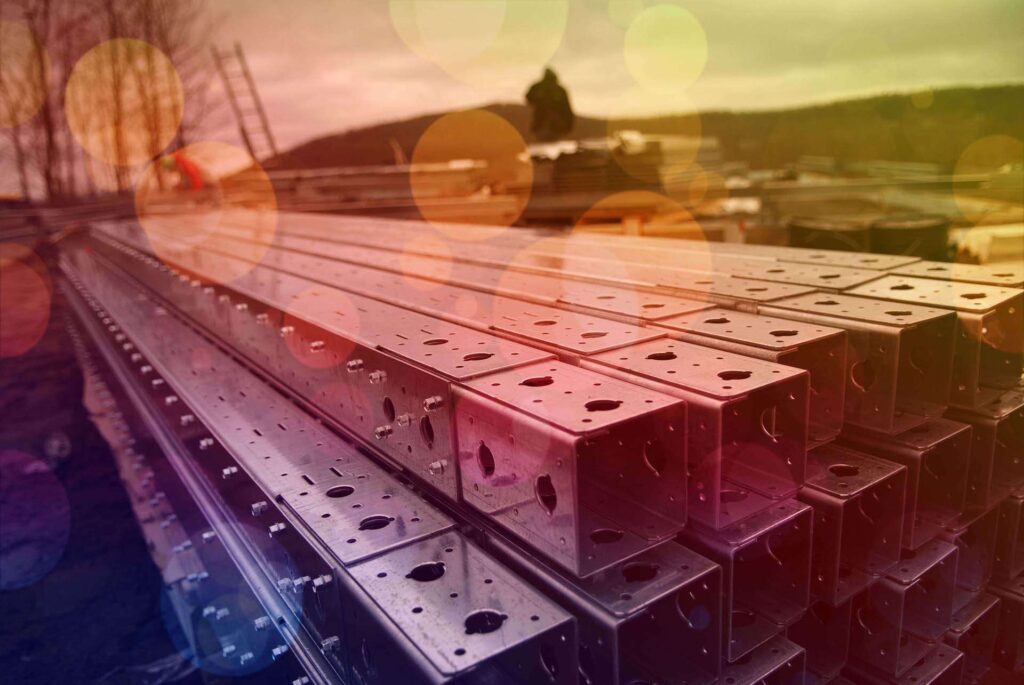
A steel warehouse is largely fabricated in a manufacturing facility while foundations are cast on site. Erection then takes weeks rather than months. RCC frames need formwork, reinforcement, pouring and curing for every column and beam, so the structure is on the critical path for longer. If every month of delay means rented storage elsewhere, speed alone can justify steel.
Clear span and usable space
Racking, forklifts and truck docks need open floor area. Steel portal frames routinely give clear spans that would require internal columns or very deep beams in RCC. Fewer columns means more pallet positions and safer forklift movement.
Cost drivers compared
| Steel structure | RCC | |
|---|---|---|
| Main cost | Steel tonnage, cladding | Concrete, reinforcement, formwork |
| Foundations | Lighter, isolated footings | Heavier, due to self-weight |
| Programme | Short; parallel fabrication | Longer; sequential pours and curing |
| Expansion | Bolt on new bays | Difficult; usually new structure |
| Maintenance | Paint touch-up, sheet fixings | Crack repair, waterproofing |
Material prices move with steel and cement markets, so get current quotations for both systems on the same layout before deciding.
Heat, fire and corrosion
Single skin metal roofs get hot in Pakistani summers; sandwich panels, ridge ventilators and turbo vents solve this. Steel needs a proper coating system to resist corrosion, especially near the coast or in chemical environments; see our guide to protecting steel from corrosion. Where storage contents create a high fire load, fire protection should be designed for either system.
When RCC still makes sense
- Small footprints with short spans.
- Multi-storey storage or offices above the warehouse.
- Cold stores where a concrete shell is part of the insulation design.
- Sites with no crane access for steel erection.
A common hybrid
Many warehouses combine both: RCC foundations, plinth walls and dock levellers with a steel frame and metal roof above. This gives robust lower walls against forklift impact with the speed and span of steel.
Apex Engineers builds steel warehouses and pre-engineered buildings across Pakistan. Read the PEB buyer’s guide or send your layout for a comparison budget.

Written by the Apex Engineers team
Engineers and fabricators at Apex Engineers (Pvt.) Limited, building fuel stations, storage tanks, steel structures, towers and road safety systems from our Lahore manufacturing facility since 1992. About us
Related articles
 Steel buildings
Pre-Engineered Buildings in Pakistan: A Buyer’s Guide
Read article Steel buildings
PEB vs Conventional Steel Buildings: Cost, Speed and When to Choose Each
Read article Towers & road safety