Fuel Storage Tanks

Single and double-skin underground and aboveground fuel storage tanks, ISO tanks and tank lorries, manufactured in Lahore in capacities to suit your project.

Fuel Storage Tanks

Underground and Aboveground Fuel Storage Tank Manufacturer in Pakistan

Apex Engineers has manufactured underground fuel storage tanks since 2000 and double skin tanks since 2002. Every tank is built in our Lahore manufacturing facility on automated rolling and welding equipment, tested before it leaves the shop, and delivered ready for installation.

Single and double-skin underground and aboveground fuel storage tanks, manufactured in various capacities in accordance with applicable international codes and standards, with quality-controlled welding, surface preparation and testing. Capacities and compartments are customised to each project, for fuel stations, generators, industrial plants and bulk storage depots.
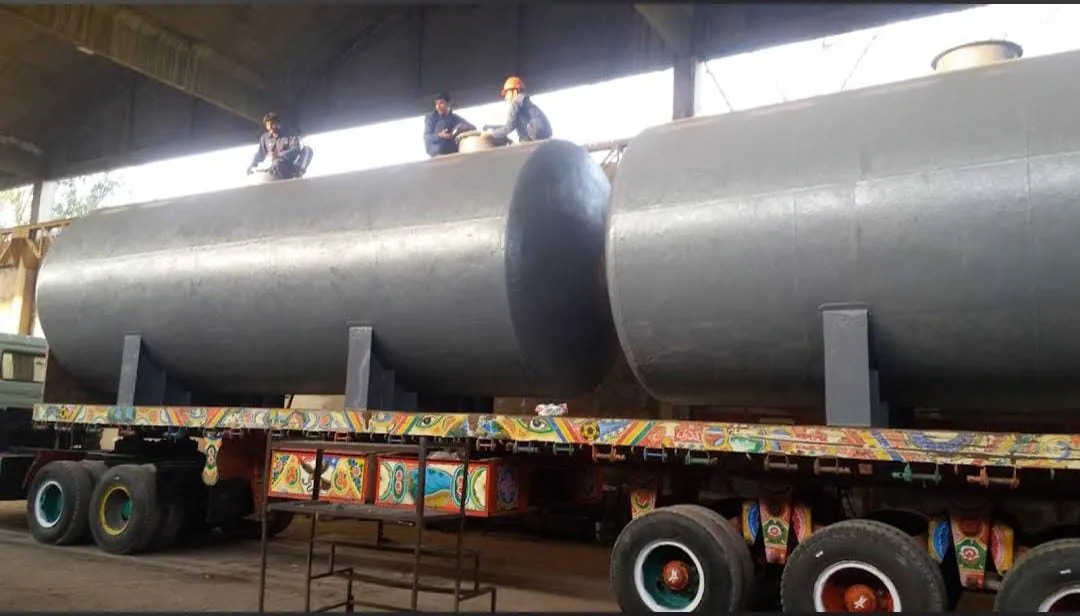
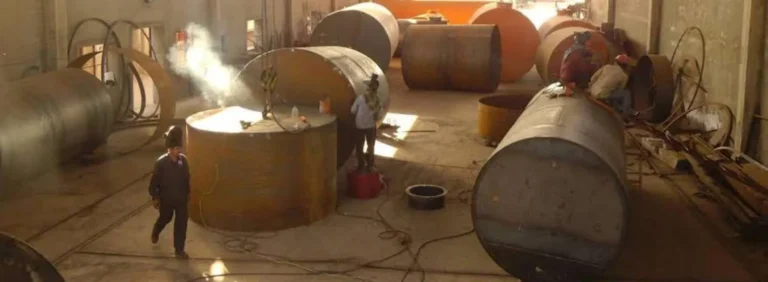
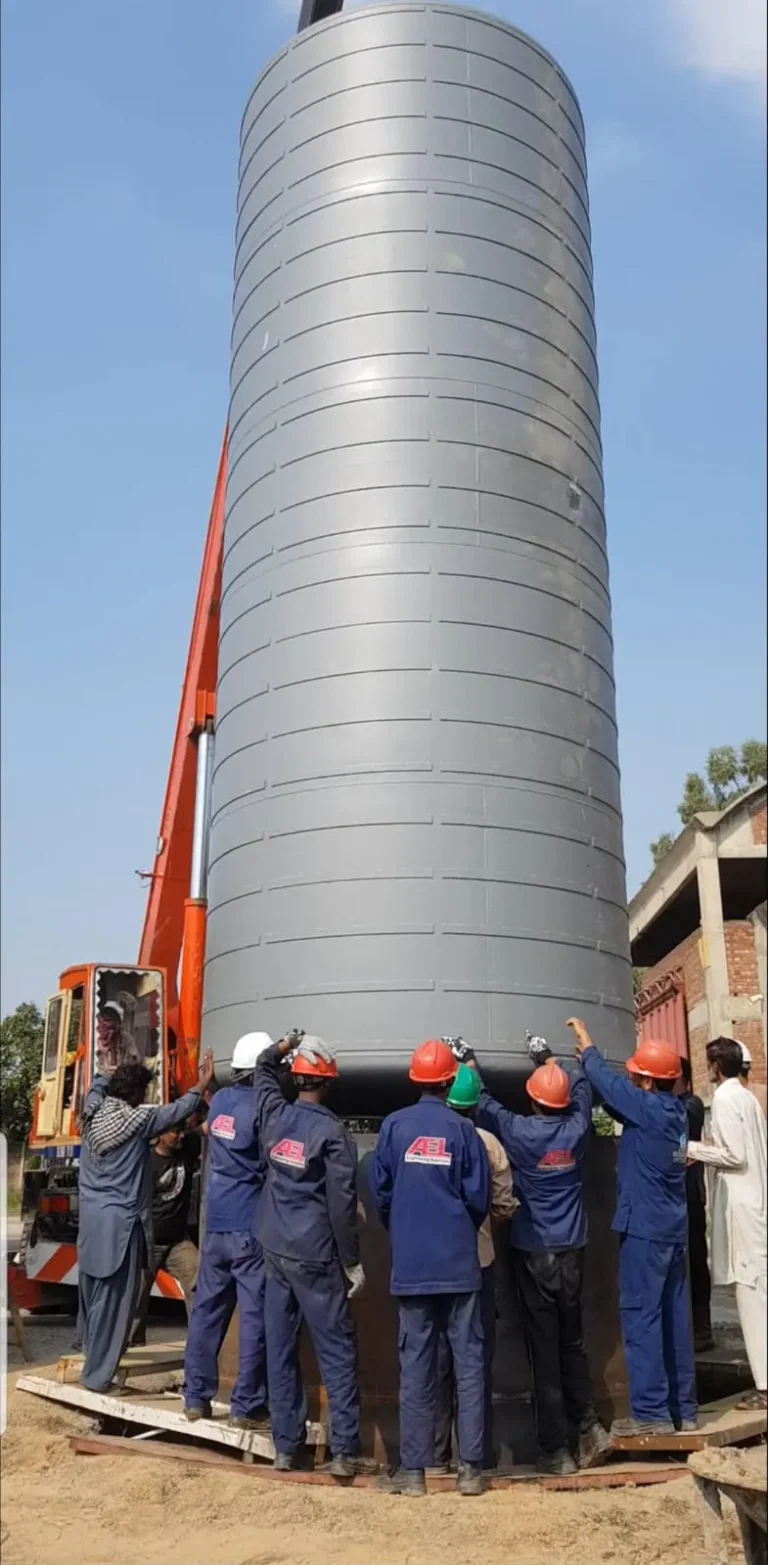
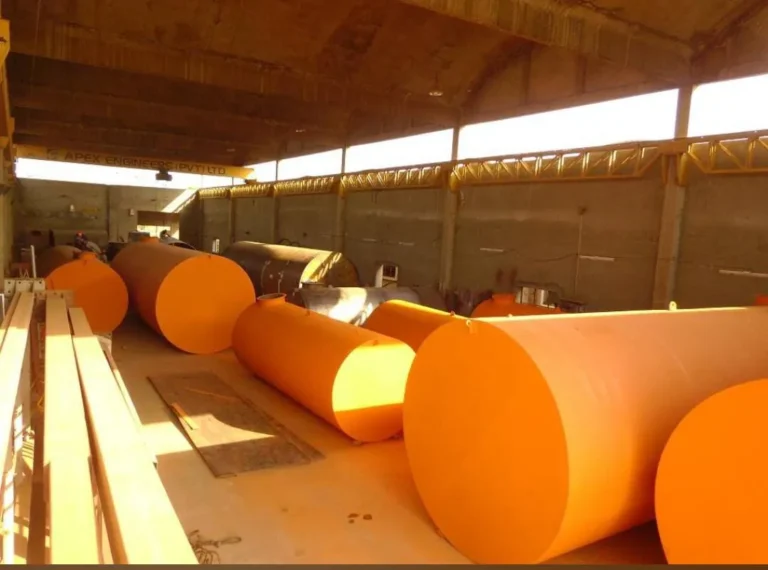
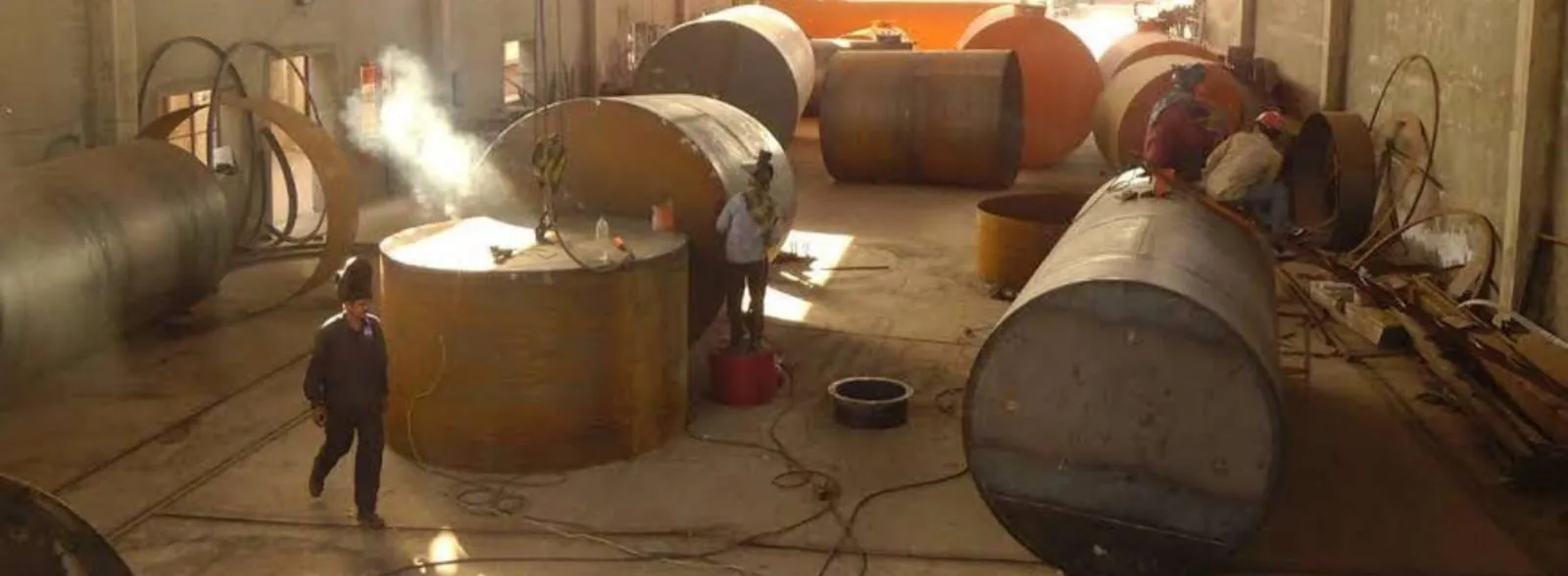
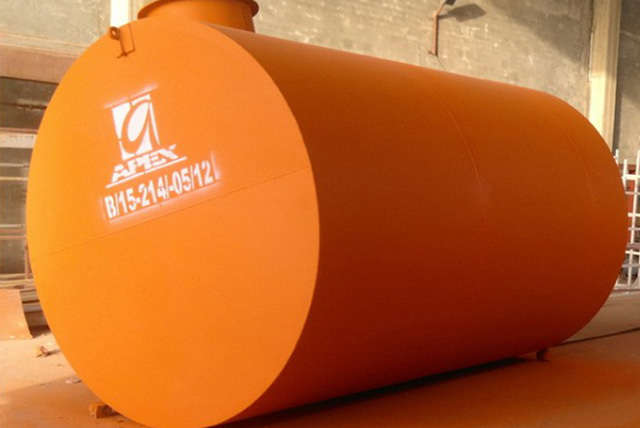
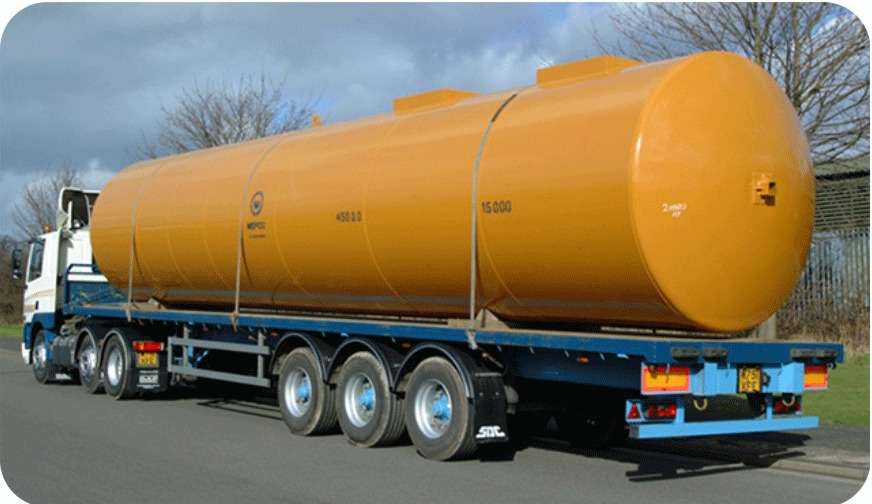
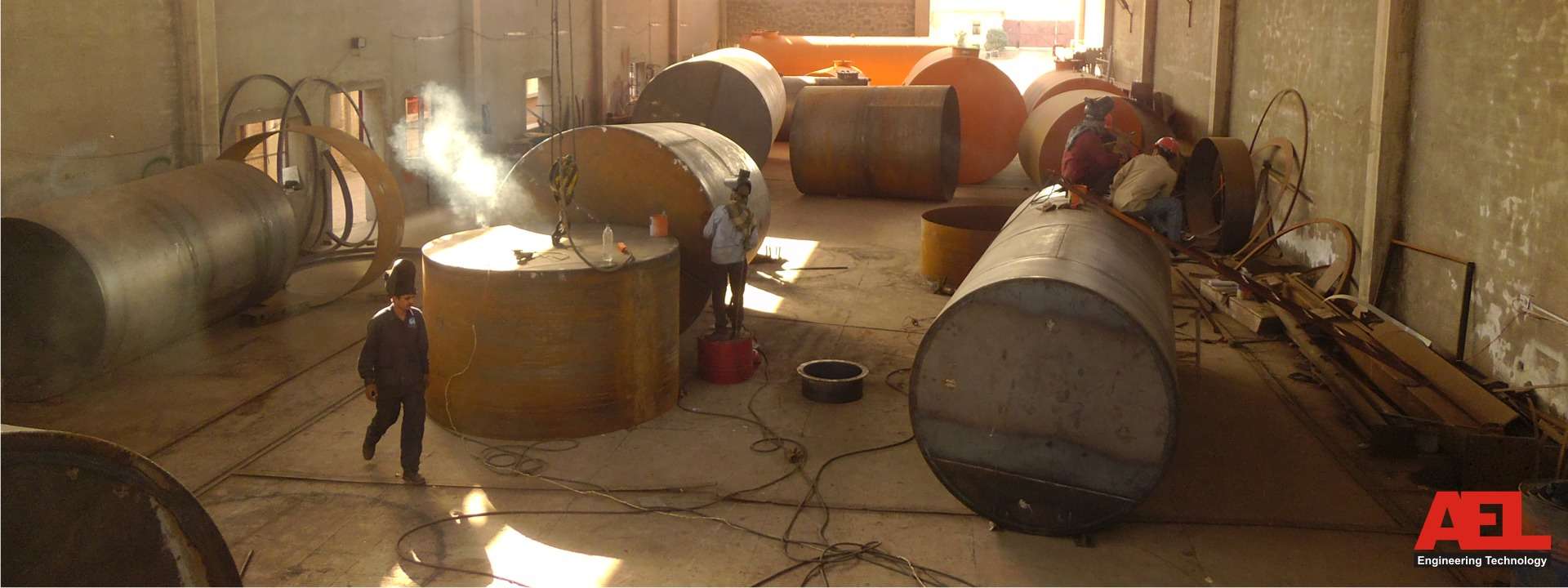
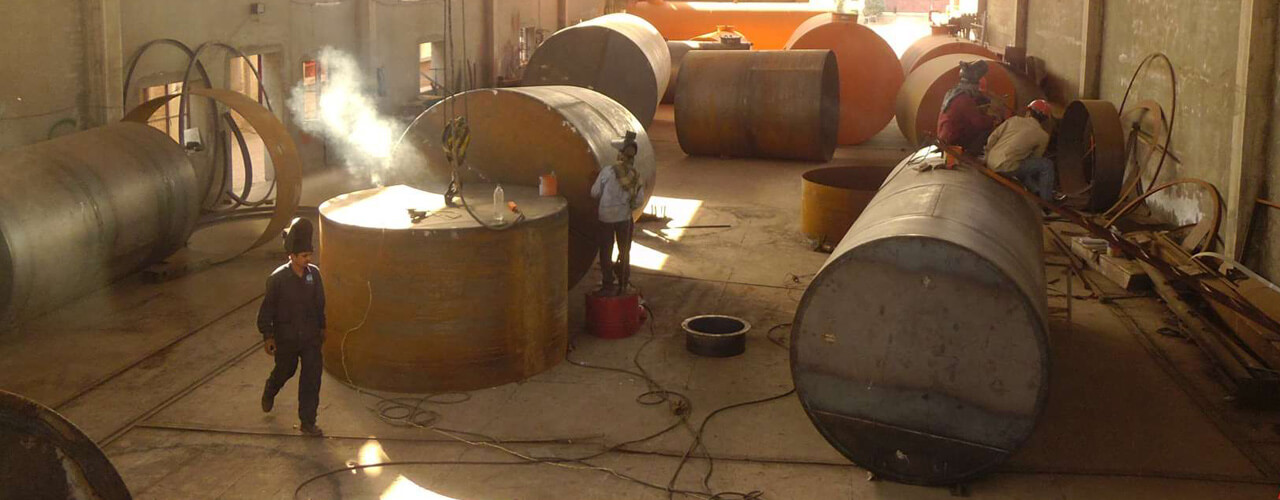
Underground fuel storage tanks loaded on a trailer for dispatch from the Apex manufacturing facilityFuel storage tank shells being welded inside the Apex manufacturing facilityApex Engineers team positioning a large vertical steel storage tank with a crane
Construction

Built for straightness, weld integrity and long service life

We roll shell plates from close tolerance steel on automated equipment, which keeps every tank concentric and straight. Longitudinal and circumferential seams are made by submerged arc welding inside and out. This gives deep, consistent penetration and a strong finished tank, and the quality stays the same from one tank to the next.

Tanks are designed and manufactured to BS EN 12285-1, the European standard for horizontal steel tanks for the underground storage of flammable liquids, which is accepted in many countries. Where a project calls for a different code, we review it with the client before fabrication starts.
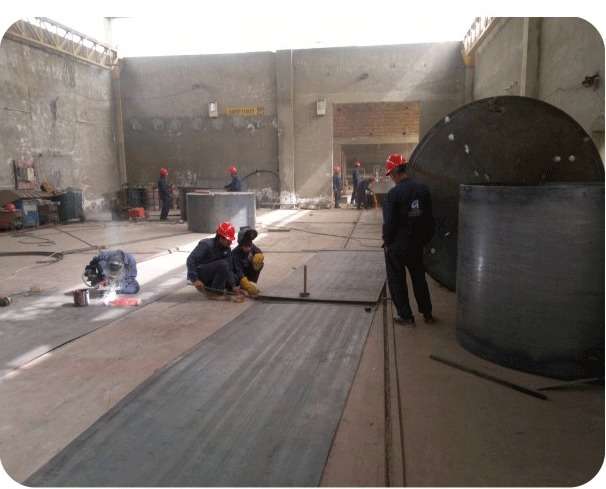
Tank shell rolling and welding in the Apex fabrication shop
Coating and testing

Surface preparation and coatings for a 30 year design life

A buried tank is only as good as its coating. After fabrication each tank is blast cleaned externally to Sa 2.5, then coated to suit the ground conditions and the client specification. Options include solvent free GRP, epoxy, polyurethane and bitumen systems, with an epoxy lining inside where required.

Every coated tank receives a 100% holiday (pin hole) test and a thickness check before dispatch. Pressure testing is carried out pneumatically or hydrostatically, and on double skin tanks both skins are tested.

  • External blast cleaning to Sa 2.5
  • GRP, epoxy, polyurethane or bitumen coating
  • Internal epoxy lining on request
  • 100% holiday test on the finished coating
  • Pneumatic or hydrostatic pressure test
  • Both skins tested on double skin tanks
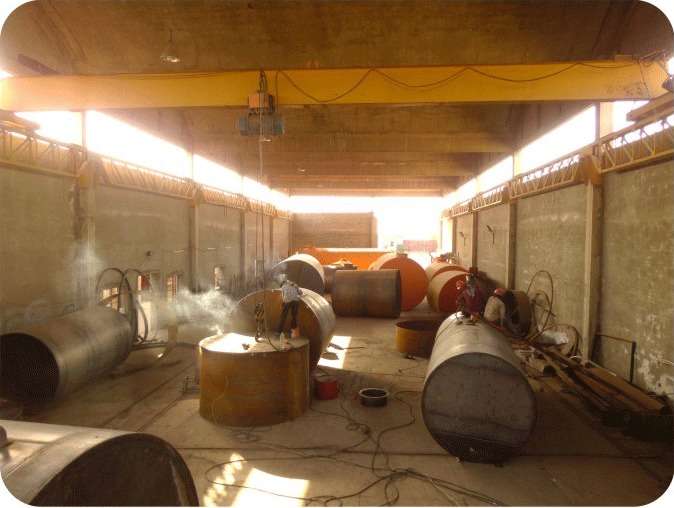
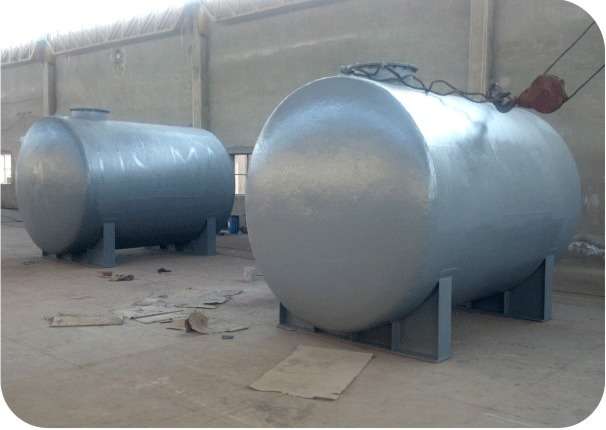
Fuel storage tanks under construction in the manufacturing facility
Accessories

Ancillary items and leak detection

We can supply the items that go with the tank so that it arrives ready to install. Inside the tank this includes suction and fill pipes with overfill prevention valves. Outside, we supply GRP manway access chambers with ground covers, dipsticks, and holding down straps. Straps can be delivered ahead of the tank if the civil contractor needs them for the base.

For double skin tanks we offer interstitial leak detection based on a pressure system that keeps the space between the skins under a small pressure during operation. Any loss of pressure shows up as an alarm before fuel can reach the ground.

Transport, installation and export

We arrange transport with experienced carriers so that tanks reach site when your installation programme needs them. Our site teams can install tanks as part of a fuel station or plant project, or we can recommend installation contractors. For overseas buyers we work with logistics partners to ship tanks with the required documentation.

Specifications

Tank specification summary

Capacity rangeCustomised to project requirements
Standard diameters1250, 1500, 1900, 2000, 2500, 2743 and 3000 mm
LengthMade to order, limited only by road transport
Design standardBS EN 12285-1 (other codes on request)
ConstructionSingle skin or double skin; single or multi compartment
WeldingSubmerged arc welding, inside and out
External coatingGRP, epoxy, polyurethane, bitumen, primer
Internal liningEpoxy (optional)
TestingPneumatic or hydrostatic; 100% holiday test on coating

Exact capacities, codes and test requirements are confirmed for each order in our quotation and quality documents.

Video

Tank fabrication at the Apex manufacturing facility

Project photos

From our manufacturing facility and project sites

FAQs

Frequently asked questions

What sizes of underground fuel tank do you make?

We manufacture tanks in capacities customised to project requirements. Standard diameters run from 1250 mm to 3000 mm, and the length is set to give the capacity you need.

What is the difference between a single skin and a double skin tank?

A single skin tank has one steel wall protected by an external coating. A double skin tank has a second steel shell around the first, with a space between them that can be monitored for leaks. Double skin tanks give an extra layer of protection for the soil and groundwater.

Which standard are your tanks built to?

Our underground tanks are designed and manufactured to BS EN 12285-1. If your project specifies another code, share it with your enquiry and our engineers will confirm what we can offer.

How are the tanks protected against corrosion?

Each tank is blast cleaned to Sa 2.5 and coated with a GRP, epoxy, polyurethane or bitumen system. The coating is checked for thickness and given a 100% holiday test before dispatch.

Can you supply tanks outside Pakistan?

Yes. We work with logistics partners to ship tanks abroad. Share the destination, quantities and delivery terms with your enquiry.

How we work

How we deliver your project

One team and one point of responsibility, from the first drawing review to installation on site.

  1. Step 1

    Enquiry and engineering review

    We study your drawings, specifications or site details and confirm scope, quantities and the standards that apply.

  2. Step 2

    Design and approvals

    We prepare or review shop drawings and submit them for your approval before any material is cut.

  3. Step 3

    Planning and materials

    Materials are sourced to the specified grades and fabrication is scheduled around your site programme.

  4. Step 4

    Fabrication in our manufacturing facility

    Cutting, rolling, welding, FRP moulding, blast cleaning and coating happen under one roof on Multan Road, Lahore.

  5. Step 5

    Inspection and testing

    Dimensional, weld and coating checks and pressure tests are recorded, and you are welcome to inspect before dispatch.

  6. Step 6

    Installation and handover

    Our own crews install on site with safe working practices, then hand over records and support you in operation.

Need a fuel storage tank quotation?

Send the product, capacity, quantity, single or double skin preference and the site location. Drawings or a tender schedule help us respond faster.