
- The biggest cost blocks are underground tanks and piping, forecourt civil works, the canopy and the branded signage package.
- Your oil marketing company (OMC) sets the brand standard, which fixes much of the specification and therefore the price.
- Approvals and site conditions (soil, water table, access road) cause most budget surprises, not the steelwork.
“How much does it cost to build a petrol pump?” is the first question almost every investor asks us. The honest answer is that two stations with the same number of dispensers can differ widely in cost, because the budget is driven by site conditions, the brand standard of the oil marketing company and the scope you hand to one contractor versus several. This guide breaks the project into the blocks we price on every fuel station, so you can build a realistic budget before you ask for quotations.
1. Land, approvals and design
Land is usually the largest single cost, but it sits outside the construction contract. Inside the project, budget early for surveys, a soil investigation, architectural and structural drawings, and the approval process. In Pakistan a new outlet typically needs a dealership arrangement with an OGRA-licensed oil marketing company, a no-objection certificate through the district administration, a licence from the Department of Explosives for petroleum storage, and environmental clearance. Sites on national highways also need access approval from the highway authority. Requirements differ by province and change over time, so confirm the current list with your OMC before you commit to a layout.
2. Underground tanks and piping
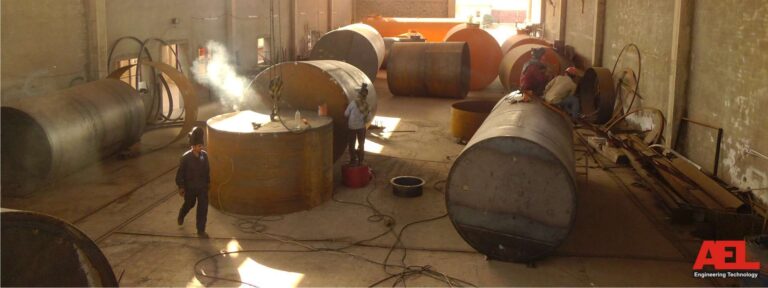
Tanks are the heart of the station and a large share of the construction budget. Cost depends on:
- Capacity and number of compartments for petrol, diesel and premium grades.
- Single or double skin construction. Double skin tanks cost more but allow leak monitoring between the shells. Read our comparison of single and double skin tanks.
- Excavation and backfill. A high water table, rock or poor soil adds dewatering, anchoring or a concrete tank pit.
- Piping, vents, manholes and fill points, which grow with the distance between tanks and dispensers.
3. Forecourt civil works
The forecourt is a heavy-duty pavement that must carry tankers, drain spills to an interceptor and survive years of turning trucks. Expect costs for site levelling, the reinforced concrete slab, kerbs, drainage, the oil interceptor, islands for dispensers, the service building and boundary works. Larger plots and highway sites with truck parking push this block up quickly.
4. Canopy and fascia
The canopy is a steel structure sized to cover the dispenser islands, with a branded fascia, ceiling panels and lighting. The cost depends on span, column count, wind exposure and the brand’s fascia system. Because the canopy is visible from the road, OMCs specify it closely, which is why a supplier who already builds to that brand standard saves time on approvals of shop drawings.
5. Signage and branding
The price monolith (pylon sign), pump toppers, island signage, directional signs and building branding make up the visual identity. Illuminated, double-sided monoliths with LED price displays sit at the top of the range. See what we deliver under fuel station development.
6. Equipment and services
Dispensers are usually supplied through or approved by the OMC. Around them you will budget for electrical works, a generator, earthing and lightning protection, fire extinguishers and safety signage, a tyre and air point, and the convenience store or tuck shop fit-out if planned.
What makes the budget move
| Factor | Why it matters |
|---|---|
| Brand standard | Fixes canopy, fascia and signage specification. |
| Tank capacity and skin type | Steel weight, testing and excavation scale. |
| Soil and water table | Dewatering, anchoring or concrete pits. |
| Plot size and truck traffic | Forecourt area and slab thickness. |
| Number of contractors | Interfaces, delays and rework between packages. |
How to get an accurate quotation
Share your site plan, the OMC you are working with, the number of dispensers and grades, tank capacities and any brand drawings you already have. With that, a contractor can price each block separately so you can compare like with like. Our tank quotation checklist lists the details we ask for.
Apex Engineers has built and re-imaged stations for leading oil marketing companies, manufacturing tanks, canopies and signage in our own Lahore manufacturing facility. If you are planning a station, send us your site plan and we will come back with an itemised budget.

Written by the Apex Engineers team
Engineers and fabricators at Apex Engineers (Pvt.) Limited, building fuel stations, storage tanks, steel structures, towers and road safety systems from our Lahore manufacturing facility since 1992. About us
Related articles
 Fuel stations & tanks
Underground Fuel Tank Installation: A Site Checklist
Read article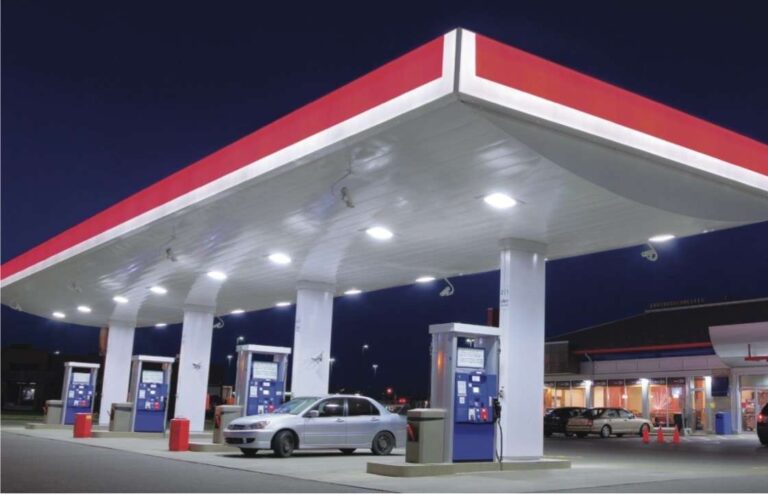 Fuel stations & tanks
What a Complete Fuel Station Package Includes in Pakistan
Read article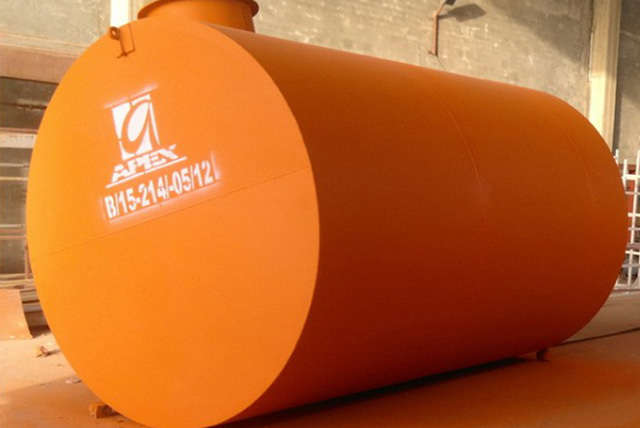 Fuel stations & tanks