Building a new fuel station involves several trades, and delays usually happen where one contractor hands over to another. Understanding the full package helps dealers and oil companies plan the work and compare offers fairly.

Below ground: tanks and piping
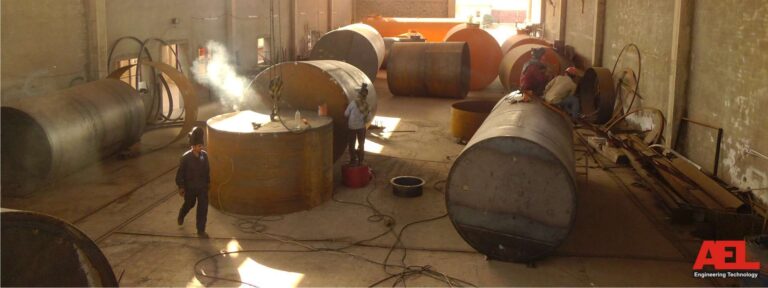
The underground tanks are the most important safety item on site. Most new stations use steel tanks built to a recognised standard, often double skin with leak detection. Piping connects the tanks to the dispensers, with vent lines and fill points. Tanks and lines are pressure tested before backfilling.
Civil works
Civil works include excavation and tank pits, tank bedding and backfill, pump island bases, the forecourt slab, drainage and interceptors, and buildings such as the sales room, service block, tyre shop and lube bay.
Canopy and fascia
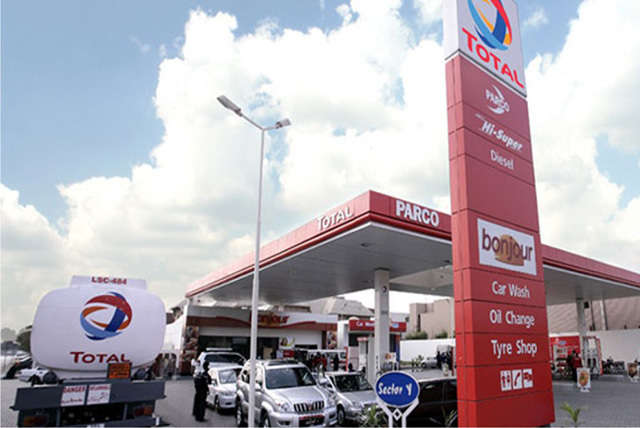
The canopy shelters the pump islands and carries the brand. It is an engineered steel structure designed for span and wind, finished with an ACM or aluminium fascia, illuminated brand stripes, ceiling panels and LED lights.
Monolith and signage
The monolith or pylon sign shows the brand and fuel prices to passing traffic. Around the forecourt you will also need pump toppers and dispenser cladding, island signs, in and out signs, wall logos and site name boards, plus forecourt furniture such as trash bins and lube trolleys.
Dispensers and electrical
Dispensers are usually supplied by the oil company or a dispenser vendor. The contractor builds the islands, installs cladding and coordinates electrical supply and lighting.
Why a single supplier helps
When tanks, steel, signage and civil works come from one company, the schedule is planned as one programme and responsibility is clear. Apex manufactures tanks, canopy steel and signage in its own Lahore manufacturing facility and installs them with its own teams.
See our fuel station services or request a fuel station quote.

Written by the Apex Engineers team
Engineers and fabricators at Apex Engineers (Pvt.) Limited, building fuel stations, storage tanks, steel structures, towers and road safety systems from our Lahore manufacturing facility since 1992. About us
Related articles
 Fuel stations & tanks
Underground Fuel Tank Installation: A Site Checklist
Read article Fuel stations & tanks
Petrol Pump Construction Cost in Pakistan: What Drives the Budget
Read article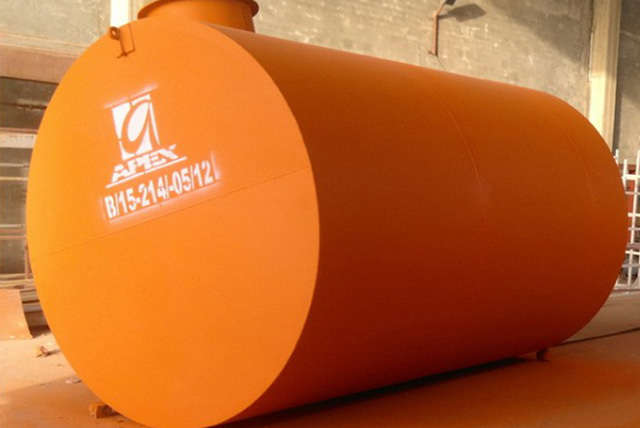 Fuel stations & tanks